
 English
 Español
 русский
-
+86-579-87237047
-
+86-13858905197/+86-18757638669
Add: No.1 Yingui South Road, Huachuan Industrial Zone, Yongkang, Zhejiang, China.
E-mail: [email protected] / [email protected]

Thermal beverage containers continue to draw attention from individuals seeking dependable temperature retention for home, office, and travel use. Understanding the materials and structure of these products helps users make informed choices and maintain safe practices. A well-built container relies on thoughtful engineering, durable components, and materials that are compatible with hot and cold beverages. This article reviews the common material types, construction features, and important safety considerations users often evaluate before and after purchase.
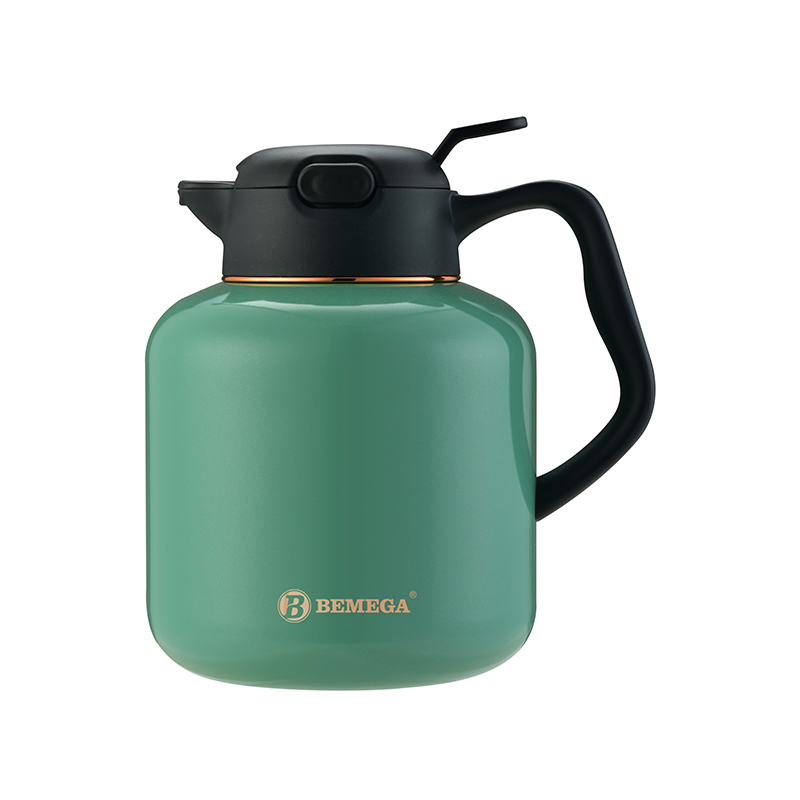
A thermal carafe generally features either a stainless steel interior or a glass liner. Stainless steel options provide durability and strong resistance to everyday wear. They withstand impacts better than brittle materials and maintain structural stability during frequent use. Additionally, stainless steel is known for its ability to resist staining and retain flavor neutrality when cared for properly.
Glass liners, on the other hand, offer a smooth, non-reactive surface that preserves drink purity. Many tea and coffee enthusiasts appreciate how glass avoids altering taste profiles. However, glass requires gentle handling, especially when the carafe is used in busy or mobile environments.
Plastic components also play a role in lid construction, handles, and spouts. These should be made from materials designed for food contact and heat exposure. Choosing products with clear safety markings helps ensure they are crafted from safe, heat-resistant plastics.
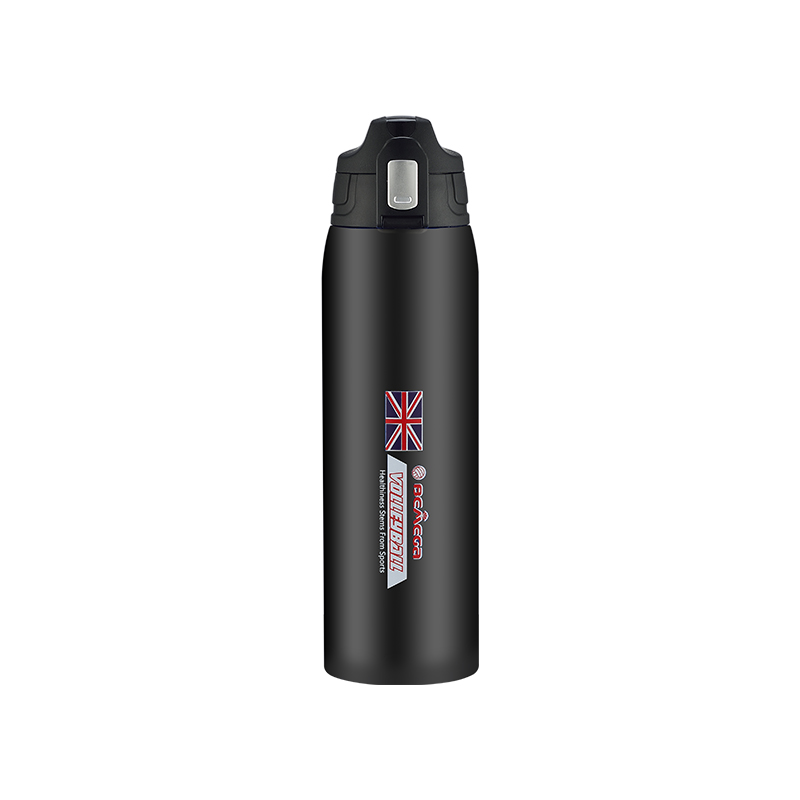
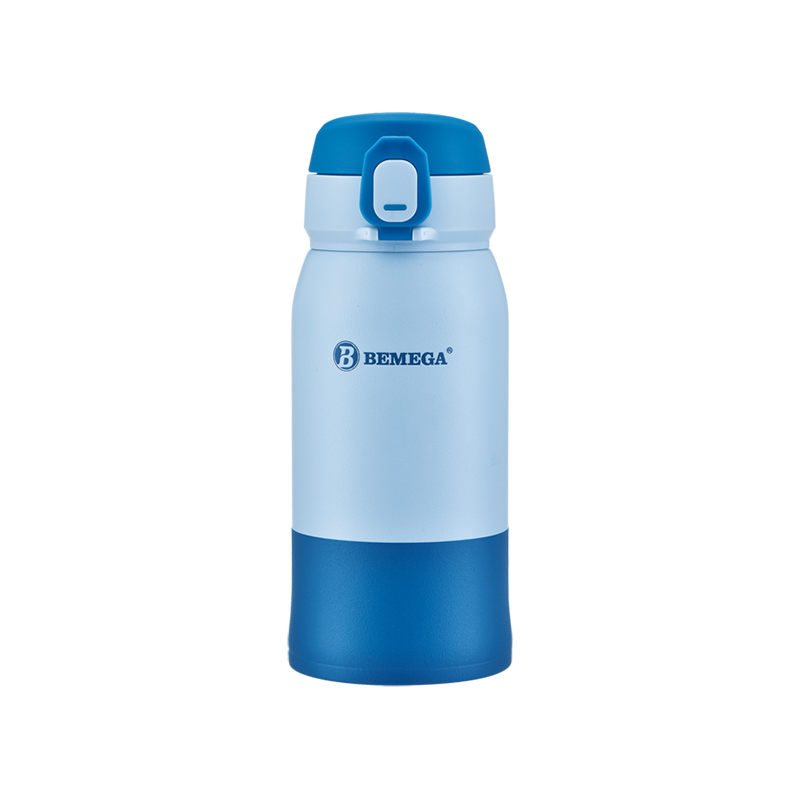
The core structure of a vacuum thermal carafe relies on double-wall construction. The gap between the two walls is evacuated to reduce heat transfer, allowing beverages to stay warm or cool for extended periods. This system works without electricity, making thermal carafes convenient for both indoor and outdoor use.
The lid design is another essential structural element. A secure lid reduces heat exchange and prevents spills, while the spout must allow steady, consistent pouring. Some lids include push-button or twist mechanisms to regulate flow, offering users greater control.
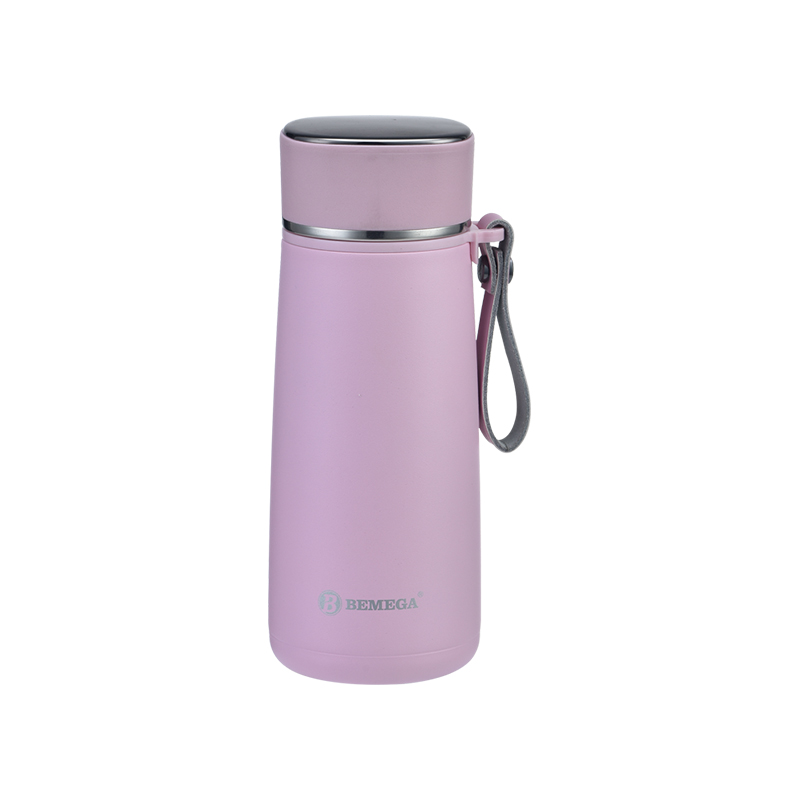
Handles are shaped to support a comfortable grip and stability during pouring. Ergonomic considerations become especially important when the carafe carries a significant volume or when it is used frequently in shared spaces.
Users often examine safety aspects before deciding on a thermal carafe. One key factor is ensuring that all materials are suitable for food and beverage contact. Plastics used in lids and spouts should resist heat without warping or releasing unwanted smells.
Temperature tolerance is another important point. Both stainless steel and glass liners can handle hot beverages, but they should still be treated with care to avoid thermal shock. Sudden exposure to temperature differences may stress certain materials. Gradual heating and cooling help maintain structural integrity.
Chemical safety is also worth considering. Cleaning agents with harsh ingredients may scratch surfaces or leave behind unwanted residues. Mild, fragrance-free detergents are typically adequate for routine maintenance.
Users who frequently move their carafe around the home or workplace often prefer stainless steel for its durability. Those who value flavor purity might opt for a glass liner. The choice ultimately depends on lifestyle, frequency of use, and handling preferences.
When selecting a carafe, it is helpful to examine the lid design and any replaceable parts. Components that are easy to remove allow better cleaning, which improves safety and hygiene over time.
A thermal carafe’s materials and structure play a significant role in determining its performance, durability, and safety. By understanding the benefits and considerations associated with stainless steel, glass liners, and other components, users can choose models that align with their needs. Thoughtful handling and proper cleaning further support safe, consistent use in home or office environments.

+86-579-87237047
+86-13858905197/+86-18757638669
Add: No.1 Yingui South Road, Huachuan Industrial Zone, Yongkang, Zhejiang, China.
E-mail: [email protected] / [email protected]
Copyright © Yongkang Rixin Metal Products Co., Ltd.
