
 English
 Español
 русский
N
Industry News
Home / News / Industry News / Vacuum Thermal Carafe Comparison of Stainless Steel and Glass Liner Options

Choosing between a stainless steel liner and a glass liner is one of the lots of common decisions users make when selecting a Vacuum thermal carafe. Each type offers distinct benefits, and understanding these differences can help individuals choose a model that suits their daily habits. This article examines the characteristics, maintenance requirements, and ideal usage scenarios of both options.
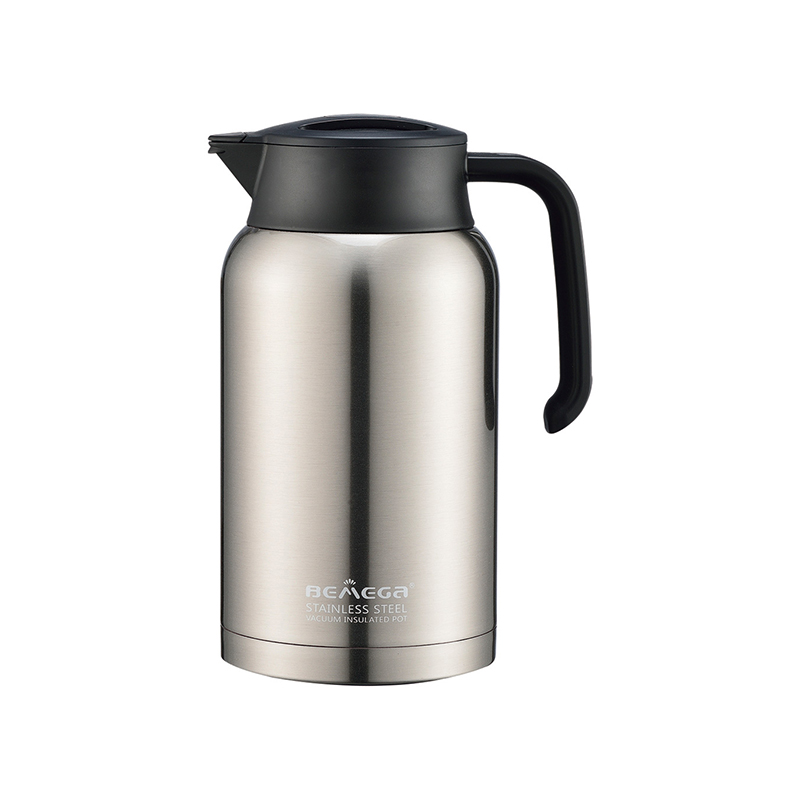
Stainless steel liners are valued for their durability. They resist impacts well, making them suitable for busy households, offices, or travel situations. Their structure supports stable insulation, and they handle temperature variations with ease. Because stainless steel resists staining, it is a practical option for users who frequently prepare coffee, tea, or infused beverages.
A stainless steel liner also holds up well during cleaning. Rinsing and scrubbing with non-abrasive materials usually removes many residues. Although stainless steel can sometimes develop slight discoloration from repeated use, these marks do not typically affect performance.
Glass liners provide a smooth, non-reactive interior that preserves beverage integrity. Many drink enthusiasts appreciate how glass avoids altering flavor or aroma. Tea and specialty coffee often benefit from such neutrality.
However, glass liners require more careful handling. While they perform well thermally, they are more vulnerable to impacts and sudden temperature shifts. Users who choose glass should avoid dropping the carafe or filling it abruptly with extremely hot or cold liquids.
Cleaning routines differ slightly between the two materials. Stainless steel can often withstand more vigorous scrubbing, as long as abrasive pads are avoided. Natural cleaning agents like baking soda or diluted vinegar work effectively on stainless steel to remove coffee oils or persistent odors.
Glass liners should be cleaned with gentler methods. Soft brushes or mild detergents help maintain their clarity without risking cracks. Since glass is sensitive to sudden temperature changes, rinsing should be done with water that is warm but not extremely hot.
The lid and gasket should be cleaned regularly, regardless of the liner type. Moisture trapped under these components can advance to odors or residue buildup.
The ideal liner type depends on the user's environment. Busy households, shared offices, and outdoor activities may benefit from the durability of stainless steel. These settings often involve frequent movement and a higher chance of accidental bumps or drops.
Glass liners are more suitable for home environments where gentle handling is possible. Individuals who focus on beverage flavor purity—such as tea drinkers—often choose glass because of its neutral characteristics.
Some users find that stainless steel may retain slight aromas from previous beverages if not cleaned thoroughly. Glass, being non-reactive, provides a cleaner flavor profile. However, odor issues can be managed in stainless steel containers through consistent cleaning.
Both stainless steel and glass liners offer value depending on the user’s priorities. Stainless steel provides strength and practical convenience, while glass supports a clean, pure beverage experience. Understanding the characteristics of each liner type helps users choose a carafe that matches their lifestyle, serving habits, and handling preferences.

+86-579-87237047
+86-13858905197/+86-18757638669
Add: No.1 Yingui South Road, Huachuan Industrial Zone, Yongkang, Zhejiang, China.
E-mail: [email protected] / [email protected]
Copyright © Yongkang Rixin Metal Products Co., Ltd.
