
 English
 Español
 русский
N
Industry News
Home / News / Industry News / Vacuum Thermal Carafe Insights on Leak Prevention and Seal Reliability

Leak prevention is a key topic for individuals who rely on vacuum thermal carafes s for daily beverage storage. A well-functioning seal ensures that liquids stay contained and that temperature stability remains consistent throughout the day. When users understand how seals work and what maintenance practices support long-term reliability, they can avoid many common issues associated with spills or drips. This article explores the factors that influence leak prevention and how users can maintain a dependable carafe.
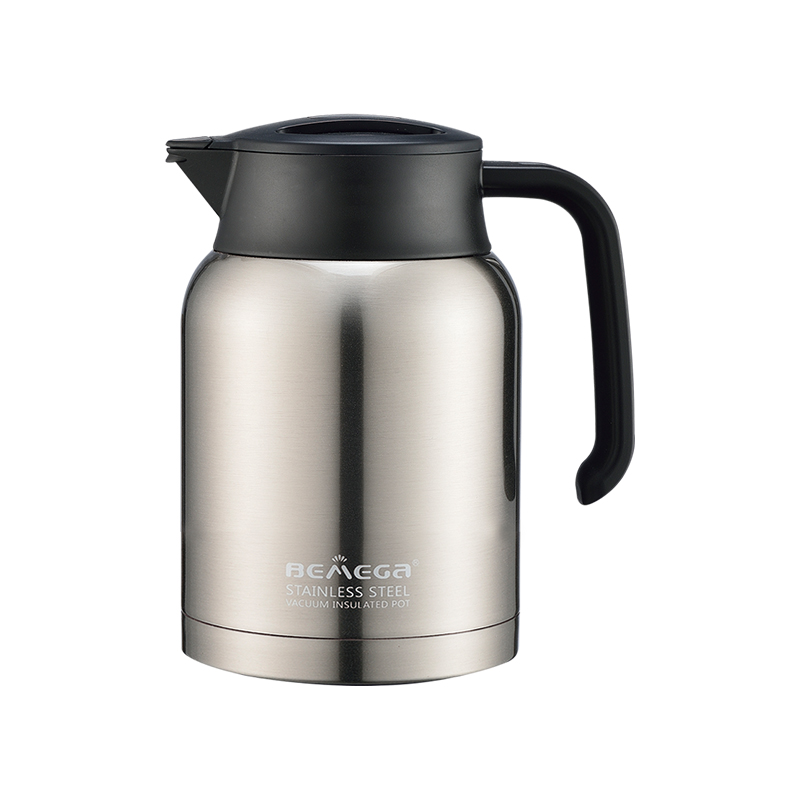
The seal is typically made from a flexible material that fits tightly against the inner edge of the lid or spout. When the lid is secured, the seal compresses to create a barrier that keeps liquid inside and helps reduce heat exchange. Some carafes use a simple gasket, while others incorporate more complex lid systems with additional parts that regulate flow.
Regardless of design, the purpose is the same: to hold the lid firmly in place while maintaining a tight closure. When the seal is functioning correctly, the carafe remains spill-resistant, even when tilted.
Leaks often originate from worn or damaged seals. Over time, exposure to heat, moisture, and cleaning agents can cause the gasket to lose elasticity. Once it becomes stiff or cracked, it can no longer create a uniform seal.
Another frequent cause is improper lid installation. If the lid is not aligned correctly, even a fully functional gasket may fail to prevent drips. Sediment or residue trapped around the spout or threads can also interfere with proper sealing.
Temperature-related expansion is another consideration. When very hot liquid is poured into the carafe and the lid is sealed immediately, internal pressure may increase, influencing how the seal behaves. A brief moment to allow steam to escape before full closure often helps.
Regular cleaning of the gasket and lid components is essential. Removing the gasket periodically—when the design allows—helps expose hidden areas where residue or moisture may accumulate. Washing these parts with warm water and mild detergent helps preserve flexibility and cleanliness.
After cleaning, allowing the lid and gasket to air-dry completely reduces moisture buildup that could degrade materials over time. Users should avoid stretching the gasket unnecessarily, as this may distort its shape.
Inspecting the gasket occasionally helps identify early signs of wear. If the material shows cracks, thinning, or stiffness, it may need replacement. Carafes with replaceable gaskets offer convenience, as maintenance becomes easier and more cost-effective.
Certain design elements support better leak resistance. One-piece lids reduce the number of joints where leakage can occur. Twist or press mechanisms can improve pressure distribution, supporting more uniform sealing.
Spout geometry also influences performance. A well-shaped spout directs liquid smoothly, reducing turbulence that could otherwise cause drips or splashes.
Handle placement and balance indirectly support leak prevention by providing stable control during pouring. A well-designed carafe allows users to pour smoothly without sudden shifts in angle or wrist movement.
Simple practices help users avoid lots of leak issues. Ensuring the lid is aligned and fully closed before tilting is essential. Cleaning the outer rim and threads before sealing helps prevent debris from interfering with the gasket.
Filling the carafe gradually with warm—not boiling—liquid reduces internal pressure fluctuations. Avoiding overfilling also reduces the likelihood of spills during closure.
Storing the carafe upright when not in use helps maintain gasket shape and reduces pressure on the sealing mechanism.
Leak prevention in a vacuum thermal carafe relies on sound design, proper maintenance, and thoughtful handling. By cleaning the gasket, inspecting for wear, and using the carafe with care, users can maintain strong seal reliability over extended periods. Understanding how seals function and recognizing early signs of deterioration ensures smoother, safer, and more convenient beverage storage in both home and office environments.

+86-579-87237047
+86-13858905197/+86-18757638669
Add: No.1 Yingui South Road, Huachuan Industrial Zone, Yongkang, Zhejiang, China.
E-mail: [email protected] / [email protected]
Copyright © Yongkang Rixin Metal Products Co., Ltd.
